

AI Is Fast. My Process Isn’t.
AI Is Fast. My Process Isn’t.
There is a gap between what many people assume about AI art and what the work actually requires. From the outside, an AI-generated image looks instant. Type a few words, press a button, and a picture appears. The process seems simple and automatic. That assumption flattens the entire creative process into a single click.
The reality feels nothing like that.
The visible image is only the surface, like the calm glide of a swan. Underneath, the artist is paddling hard. Research, historical study, decision-making, refinement, and curation are in practice but out of sight. Every aesthetic choice sits atop a foundation laid long before the prompt is typed. Contrary to popular expectations, the work behind the art is not eliminated; it is condensed, intensified, and pushed into the thinking stages.
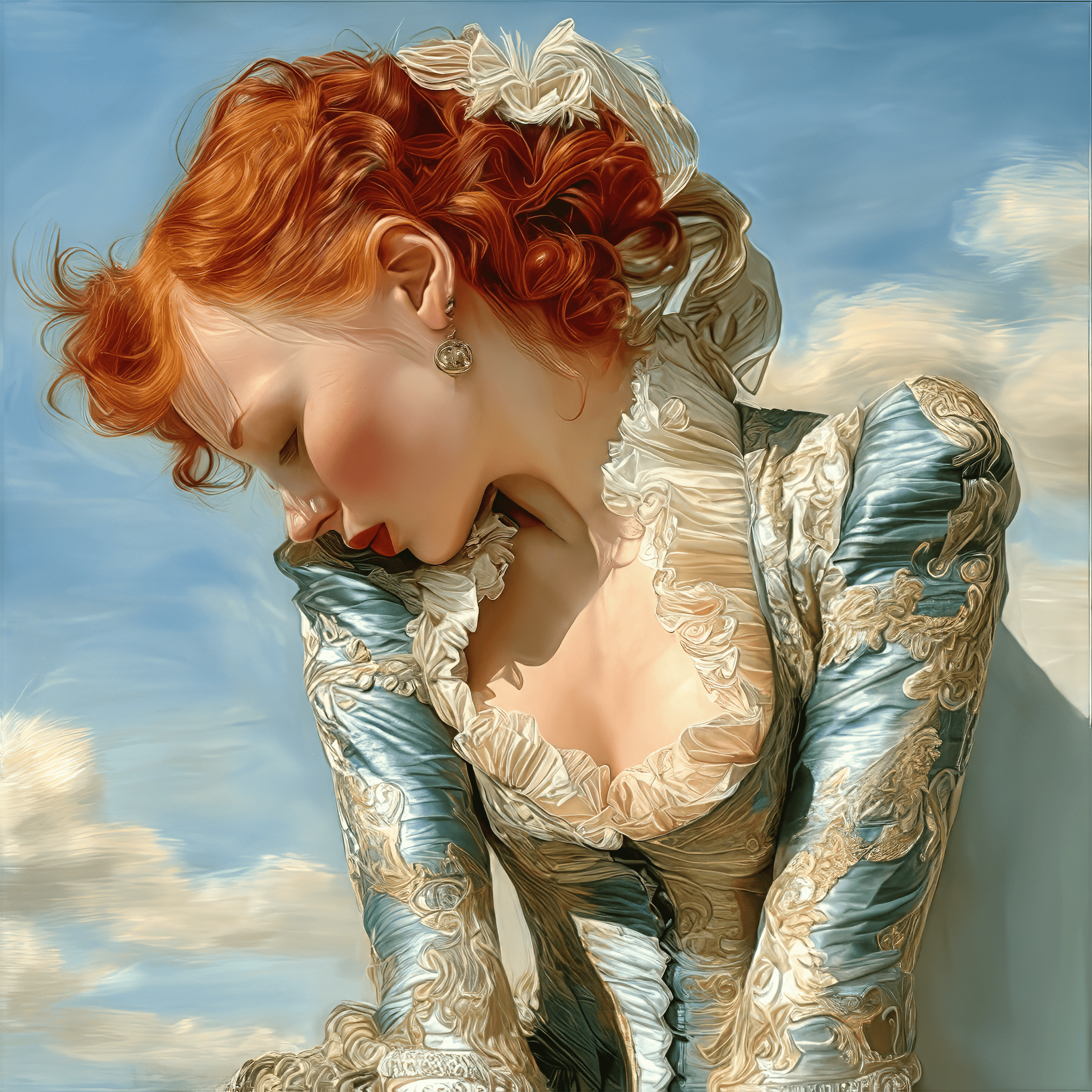
At first glance, the portrait above this article looks calm. Soft light. Pale silk. A woman lost in her own thoughts. It feels effortless.
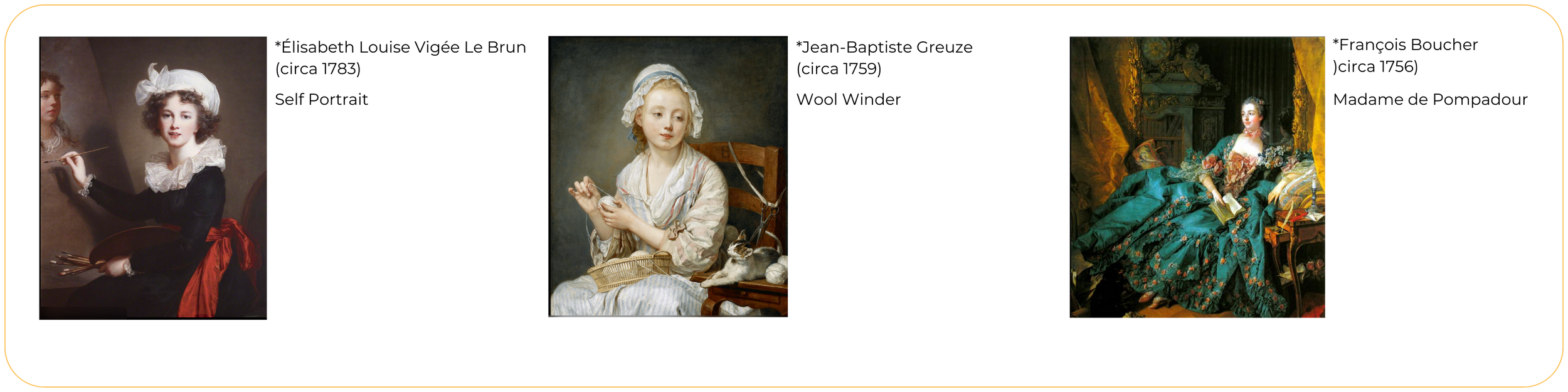
The work behind this image starts long before the prompt. I studied fabrics used in the late eighteenth century—silk taffeta, metallic thread embroidery, the structure of stays, the way light settles on clothing from that period. I looked at period artists. Vigée Le Brun’s* handling of skin tones, Greuze’s* emotional staging, and the decorative balance in Boucher’s* portraits. None of this is copied. None of it is meant to be recreated. These references form a vocabulary that shapes my decisions.
AI does not decide which period belongs in the image. It does not choose which artist’s influence is helpful or why certain visual clues create a feeling of a period out of time. Those judgments come from me. The final piece in this article does not match Rococo painting or standard academic portraiture. The style is my own, shaped by what I’ve learned and what I pay attention to.
After the research comes the refining. Adjusting color temperature. Shaping the posture so it communicates ease. Choosing the amount of ornament. Editing, revising, and trying again until the image feels steady and clear. The finished result looks simple because the work beneath it is not.
Every new art tool has been met with warnings that something important is ending. Photography, film, digital editing. Now AI joins that list. The truth is quieter. Tools change. Artists continue to do the work. The stillness you see in the final image is supported by everything happening underneath. I crave opening and sharing that hidden layer because I find it so exciting. One finished image sits on centuries of art history, design language, textiles, period fashion, literature and visual judgment, with all those threads shaping the outcome.
AI was the tool. The choices were mine.
